


Agriculture AI: Investors Bet on Smart Cattle Collars
By Adam Pease
The intersection of legacy ranching and autonomous technology is reaching a critical inflection point as global protein supply chains face unprecedented labor and environmental pressures. Recent reports indicate that agritech startup Halter is nearing a $2 billion valuation following interest from high-profile venture capital firms like Founders Fund. This blog overviews the “Halter AI Cow Collar News” and offers our analysis.
Why Did Halter Announce AI Cow Collars?
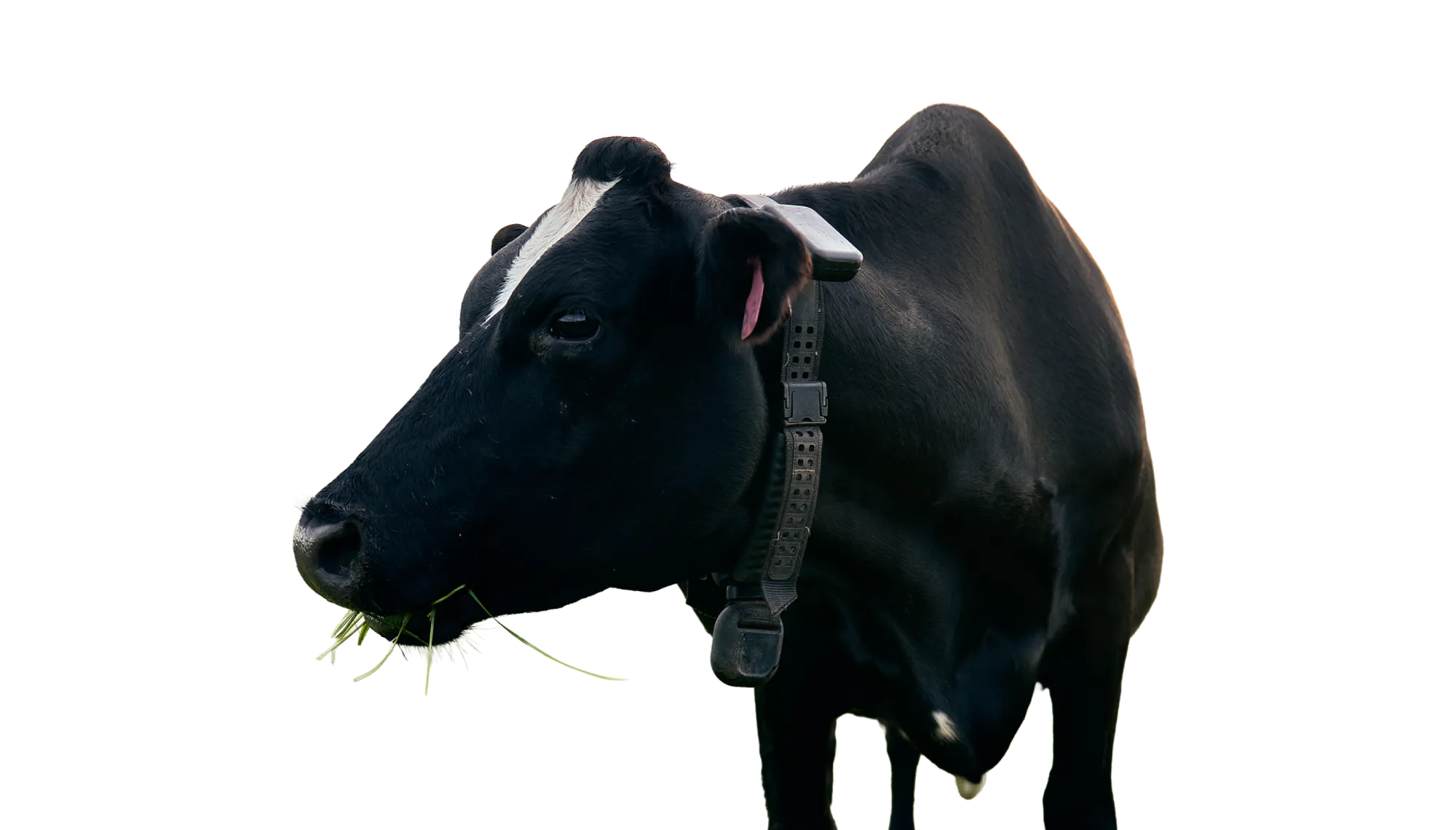
The livestock industry is currently grappling with a shrinking U.S. cattle herd, which has reached its lowest level in 75 years, and a concurrent 18% spike in consumer beef prices. Farmers are desperate for operational efficiencies to offset rising costs and a dwindling rural workforce. Halter provides solar-powered, GPS-enabled collars that use sound and vibration to guide cattle without physical fencing. This system allows ranchers to manage herd movements and monitor animal health remotely via a smartphone application, directly addressing the need for lower overhead and optimized land use.
Analysis
This investment represents more than just a successful funding round for a startup; it signals a shift toward the “autonomous ranch” where software replaces physical infrastructure and manual labor. While precision agriculture has seen many failures due to slow adoption rates and high entry costs, the current macroeconomic environment of high beef prices creates a unique window for ROI that previously did not exist. By eliminating the need for traditional fencing and constant human supervision, Halter is essentially turning biological assets into data-driven nodes on a network.
The entry of venture capital heavyweights suggests that the technology has matured enough to move beyond niche experimental use into large-scale commercial ranching. We expect this to trigger a competitive response from traditional agricultural equipment giants who have been slow to integrate deep AI into livestock management. For the market, this move validates the transition from mechanical farming to algorithmic farming. The real value is not the collar itself but the proprietary data being harvested on grazing patterns and animal health, which will eventually be used to automate supply chain predictions and carbon credit modeling.
Enterprise Action
Enterprises in the food supply chain and agricultural sectors should evaluate this offering as a potential standard for future sustainable sourcing requirements. Organizations should consider how autonomous livestock management impacts their ESG reporting and long-term supply stability. It is time to move beyond watching this space and begin assessing the integration of IoT and AI-driven monitoring into existing agricultural portfolios to remain competitive against early adopters who will soon realize significantly lower per-head operating costs.
Bottom Line
The move toward AI-managed livestock is a pragmatic response to a permanent shift in labor availability and climate-driven land constraints. As cattle herds remain small and costs stay high, technology that facilitates “doing more with less” is no longer a luxury but a requirement for survival in the agricultural market. Enterprises should prepare for a future where data-driven ranching is the industry standard and adjust their procurement and technology investment strategies accordingly.
Have a Comment on this?