


Semiconductor Export Rules Mandate Foreign Investment in USA
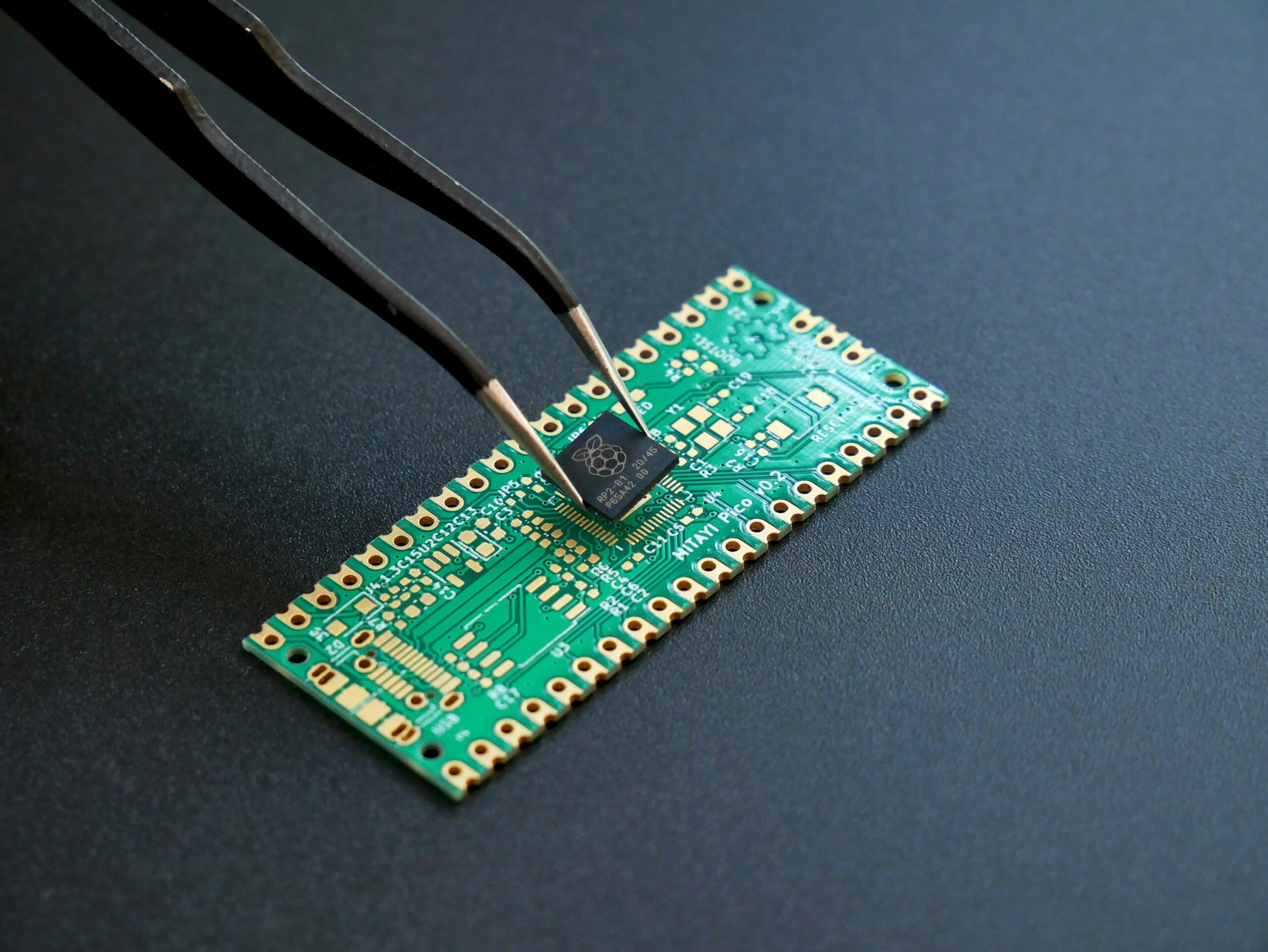
By Adam Pease
The United States government is currently evaluating a rigorous new regulatory framework that would fundamentally alter the global distribution of high-end artificial intelligence hardware. Under these proposed rules, foreign nations seeking to import advanced AI chips may be required to provide security guarantees or commit to direct investments in U.S.-based data centers. This blog overviews the “US mulls new rules for AI chip exports” news and offers our analysis.
Why did US officials announce new AI chip export requirements?
This potential policy shift represents a move toward a “quid pro quo” model of technological diplomacy where access to critical silicon is tied to domestic economic support. By considering mandates for foreign investment in U.S. infrastructure, the administration aims to ensure that the massive buildout of AI capacity remains anchored within American borders. This follows the rescinding of previous “AI diffusion” rules and suggests a more transactional approach to maintaining technological leadership. The government is effectively leveraging the high demand for specialized AI processors to bolster the domestic industrial base while tightening the oversight of where these powerful tools are deployed.
Analysis
This news indicates that the era of relatively frictionless global trade in high-end semiconductors is ending, replaced by a strategy of technological containment and economic protectionism. For vendors like NVIDIA and AMD, this complicates the sales cycle by adding significant geopolitical hurdles that go beyond simple export licenses. The impact on the market will likely be a bifurcated AI landscape where only those nations willing to subsidize the U.S. tech economy gain access to the most capable frontier models and hardware. We believe this move will force a consolidation of AI infrastructure; instead of a distributed global cloud, we will see a concentrated “Fortress America” approach to AI compute. This could inadvertently accelerate the efforts of foreign entities to develop independent, non-U.S. silicon architectures to bypass these investment mandates, potentially eroding the long-term market share of American chipmakers in the international arena.
What should enterprises do about this news?
Enterprises must closely monitor these regulatory developments as they will directly impact the availability and cost of cloud services and hardware globally. Organizations with significant international operations should evaluate their long-term compute strategy and consider the implications of a more restricted supply chain on their digital transformation goals. It is prudent to begin diversifying AI partnerships and exploring localized compute options to mitigate the risk of sudden export denials or increased costs driven by these new investment requirements.
Bottom Line
The proposed shift in U.S. export policy signifies that AI chips have moved from being commercial commodities to strategic national assets used for economic leverage. Enterprises should prepare for a more complex procurement environment where geography and national investment play a larger role in technology access than ever before. Assessing the resilience of your AI stack against geopolitical shifts is no longer optional but a core requirement for operational stability.
Have a Comment on this?