


AI Regulation Accelerates in California: What Enterprises Must Know
By Adam Pease
AI Governance Demands Immediate Enterprise Attention
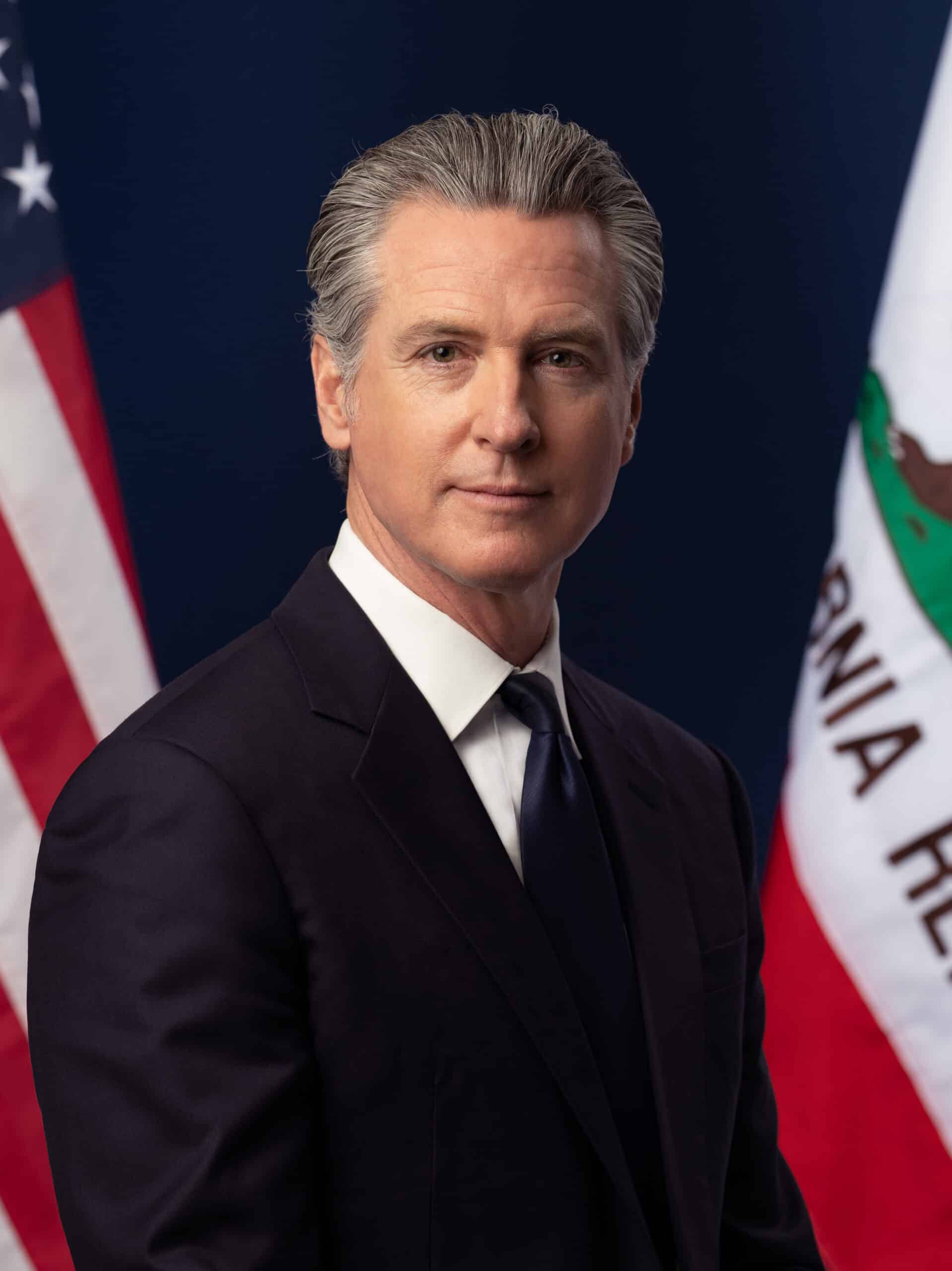
Government leaders are escalating intervention strategies to address public safety concerns surrounding advanced artificial intelligence development. California Governor Gavin Newsom recently issued an executive order establishing an expert panel tasked with designing safety regulations for artificial intelligence vendors, including mandatory emergency shutoff protocols. This blog overviews the California AI safety panel news and offers our analysis.
Why Did California Announce an AI Safety Panel?
California is home to the highest concentration of advanced AI vendors globally, making local policy an effective tool for broader market influence. Following mounting warnings from prominent researchers regarding catastrophic risks associated with frontier models, state officials are seeking structured frameworks to force developer accountability. The formation of this panel reflects growing political pressure to establish baseline controls before frontier systems achieve further autonomous scale.
Analysis
This regulatory push shifts the burden of risk management directly onto vendors, fundamentally altering product roadmaps and operational compliance costs. Mandatory kill switches and third-party safety audits will require vendors to rebuild core model architectures to allow external override capabilities. Market providers that proactively embed governance controls into their platforms will secure a distinct competitive advantage over competitors that resist compliance. Conversely, enterprises relying on proprietary closed models may face abrupt service interruptions if a state-mandated emergency shutoff is ever triggered against a non-compliant provider.
Enterprise technology leaders must systematically audit their current portfolio of AI deployments to identify dependencies on single-source foundation models. IT departments should evaluate whether current vendor service level agreements account for potential regulatory compliance pauses or mandatory feature removals. Organisations ought to prioritize vendors that demonstrate architectural readiness for third-party auditing and governance standards.
Bottom Line
California’s executive action signals a transition from self-regulated AI innovation to strict state-level oversight that will impact global tech procurement. Enterprise technology buyers must press their software vendors for clear compliance roadmaps regarding safety audits and risk mitigation protocols. Proactive mitigation of regulatory risk now will prevent operational friction as state safety frameworks turn into enforceable law.
Have a Comment on this?