


Alexa Unleashed: Amazon Brings AI to the Web
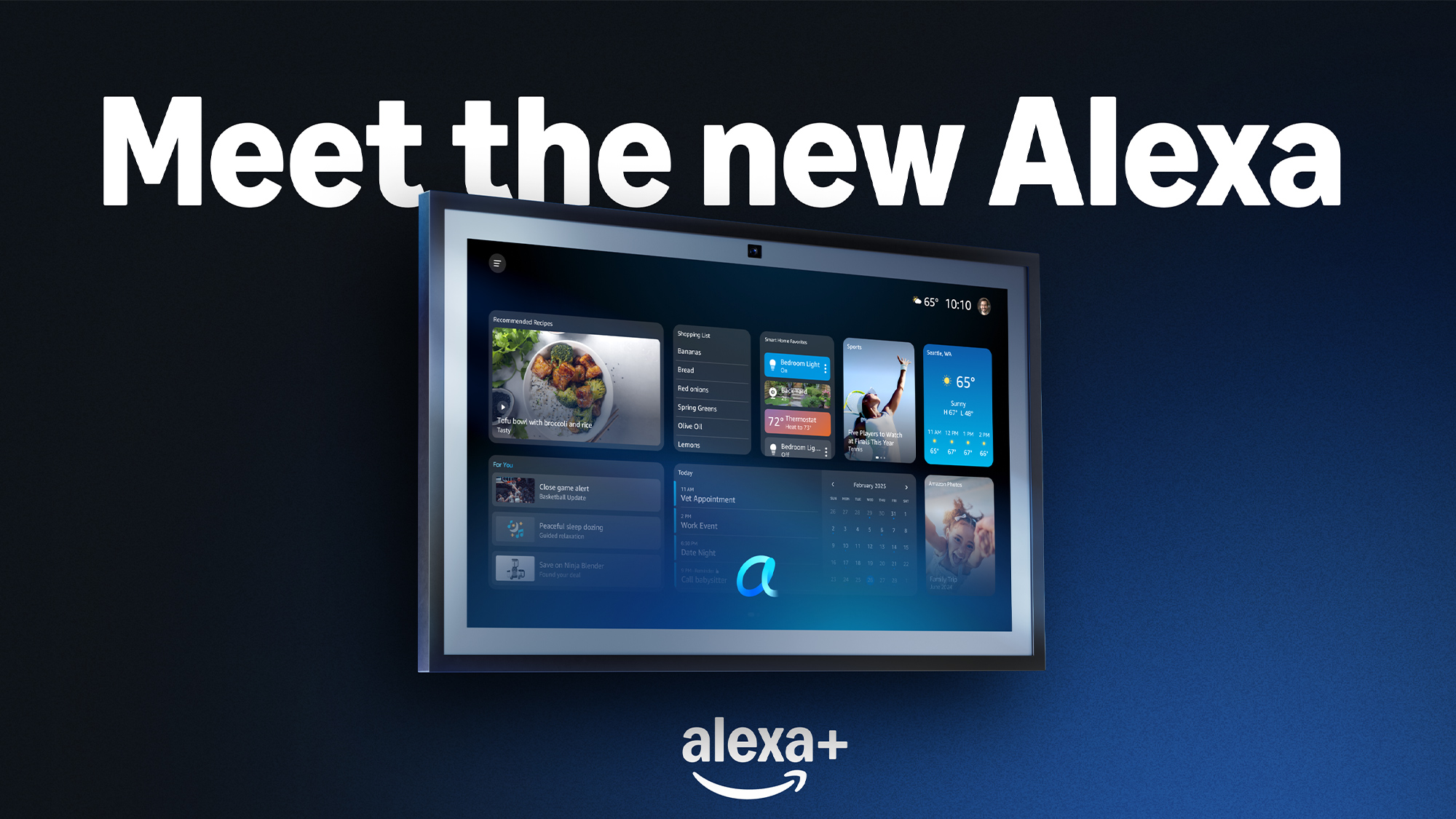
Amazon is taking its most significant step yet to break the “smart speaker” mold. On Monday, January 5, 2026, during the opening of the Consumer Electronics Show (CES) in Las Vegas, Amazon announced the official launch of Alexa.com, a new web portal that brings its generative AI assistant, Alexa+, to the browser. Previously known as a landing page for the company’s hardware, Alexa.com has been repurposed into a sophisticated chatbot interface, now rolling out to all Alexa+ Early Access customers. This move marks a pivot for Amazon, transitioning Alexa from a voice-only household companion to a multi-platform agent capable of competing directly with heavyweights like ChatGPT and Google’s Gemini.
What Was Announced
The launch centers on a two-pronged expansion of the Alexa+ ecosystem: the new Alexa.com web interface and a redesigned Alexa mobile app. This is a significant enhancement to the existing Alexa product line, utilizing a new generative AI backbone. Key capabilities include browser-based interaction where users can type to Alexa+ to manage complex research or create content, and an “agent-forward” mobile design that prioritizes a chatbot-style interface. Additionally, new document integration allows users to upload emails or PDFs—like school schedules or recipes—directly to the assistant. Amazon also confirmed deep integrations with service partners including Angi, Expedia, Square, and Yelp.
Why did Amazon announce Alexa+?
Amazon’s expansion to the web and mobile is a calculated response to the “ubiquity gap.” While Amazon has sold over 600 million Alexa-enabled devices, the assistant has historically been tethered to the home. To remain competitive in the generative AI race, Amazon recognizes that Alexa+ must be accessible wherever the user is—at a desk, on a phone, or in the kitchen. By utilizing the Alexa.com domain, Amazon is lowering the barrier to entry; users no longer need an Echo speaker to enter the ecosystem. This strategy aims to capture the 24% of AI tasks currently handled by general-purpose bots while reinforcing Amazon’s dominance in household logistics.
Analysis: Strengths and Challenges
Strengths: Alexa+ possesses a unique “spatial” advantage by bridging the gap between web search and physical-world execution via the Echo ecosystem. Its focus on family-centric data targets a niche—household logistics—that rivals have yet to fully optimize. Furthermore, cross-device continuity provides a seamless user experience from laptop to car.
Challenges: Amazon lacks a native productivity suite like Google Workspace, creating friction for users who must manually upload files. Privacy remains a hurdle, as families may be hesitant to share sensitive documents like medical records. Technically, reports of “misfires” and hallucinations during the Early Access phase suggest the underlying model still requires refinement to match the precision of OpenAI or Google.
Impact on the Market
Amazon’s move signals the end of the “siloed” assistant. By moving Alexa+ to the web, Amazon is directly challenging the subscription models of ChatGPT Plus and Gemini Advanced. This intensifies pressure on the market to move beyond “chat” and into “action.” Amazon is leveraging its massive retail footprint to prove that the most valuable AI isn’t the one that writes the best prose, but the one that ensures the household runs smoothly.
Bottom Line
The launch of Alexa.com represents Amazon’s transition from a hardware company to an AI services powerhouse. By decoupling Alexa from the Echo, Amazon is betting that its physical-world integration will outweigh its lack of a traditional office productivity suite. Enterprises in service and local commerce sectors should prioritize Alexa+ integrations via Amazon’s partner APIs to stay discoverable as Alexa moves into daily “life admin” workflows.
Have a Comment on this?