


Hardware Shift: OpenAI Enters The Premium Smart Speaker Market
By Adam Pease
Hardware Shift: OpenAI Enters The Premium Smart Speaker Market
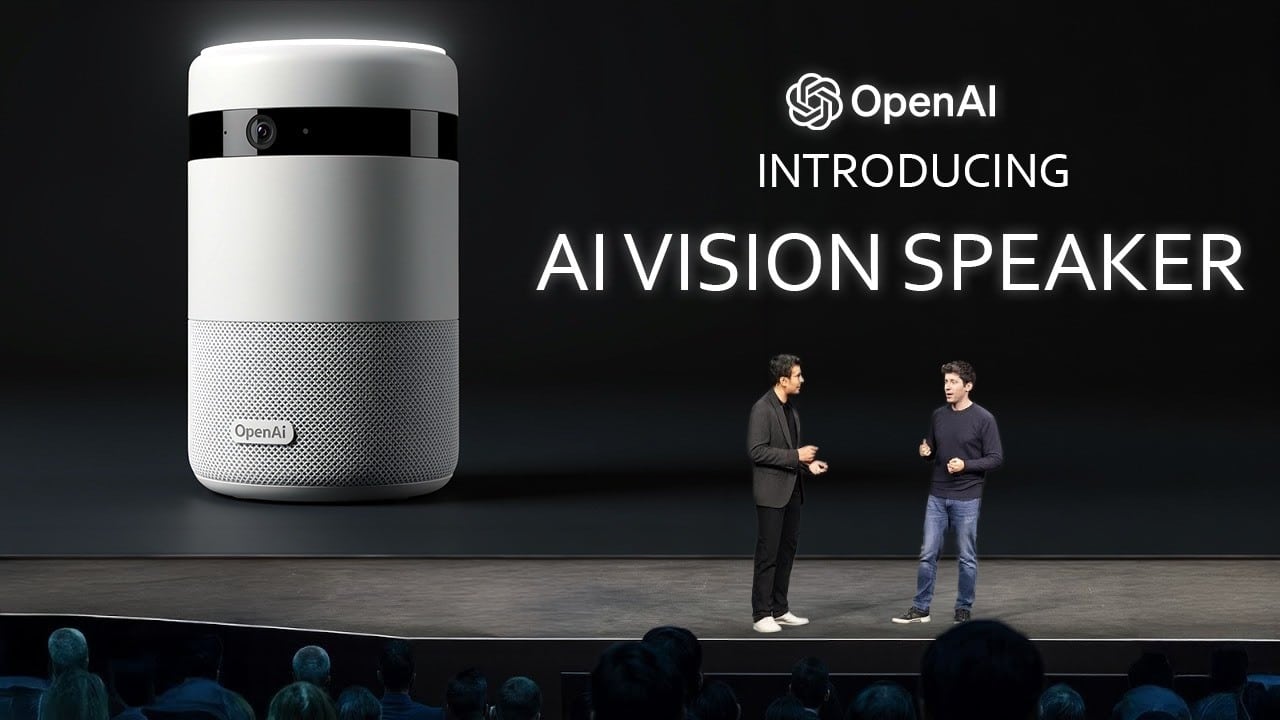
Generative artificial intelligence is rapidly expanding beyond software applications into dedicated physical devices. Reports indicate that OpenAI plans to launch a consumer smart speaker priced between 300 and 400 dollars in collaboration with design firm LoveFrom. This blog overviews the OpenAI hardware device news and offers our analysis.
Why Did OpenAI Announce A Smart Speaker Device?
OpenAI is attempting to establish a direct hardware footprint to reduce its dependency on mobile operating system gatekeepers. The planned device reportedly features a metallic donut-shaped chassis, mechanical moving components, and integrated ChatGPT voice interaction. By placing dedicated hardware in homes and offices, OpenAI seeks to capture continuous user context and drive engagement outside the traditional smartphone application ecosystem.
Analysis
Transitioning from software development to physical hardware exposes OpenAI to substantial operational risk, supply chain complexity, and low profit margins. This strategic shift highlights OpenAI’s core vulnerability: reliance on mobile platforms that control end-user access points. Building a standalone device theoretically bypasses app store restrictions, but entering a mature smart speaker market with a premium price point presents severe adoption barriers. Ecosystem incumbents with established hardware manufacturing can easily upgrade existing low-cost devices with competitive AI capabilities, making long-term hardware differentiation extremely difficult for OpenAI to maintain.
What Enterprises Should Do
Enterprise technology leaders should treat this development as a market trend to watch rather than an actionable procurement initiative. IT organizations must monitor how ambient voice interfaces mature, but avoid allocating budget to first-generation proprietary consumer hardware. Focus efforts on evaluating ambient intelligence use cases while maintaining deployment strategy across existing enterprise endpoints.
Bottom Line
OpenAI’s hardware expansion underscores the broader competition for artificial intelligence interface control, but physical manufacturing carries high friction and narrow returns. Enterprise leaders should remain focused on platform-independent software capabilities and API integrations. Monitor how ambient AI models develop, but keep enterprise architecture decisions grounded in existing corporate infrastructure.
Have a Comment on this?