


MacBook Neo Redefines the Entry-Level PC Market
By Jim Lundy
MacBook Neo Redefines the Entry-Level PC Market
The laptop market is witnessing a significant and perhaps permanent shift with Apple’s latest product introduction, the Macbook Neo. By leveraging its vertically integrated silicon strategy, the company is targeting the high-volume education and home-use segments—areas traditionally dominated by Windows-based manufacturers offering low-cost hardware. This blog overviews the MacBook Neo news and offers our detailed analysis.
Why Apple Announced the MacBook Neo
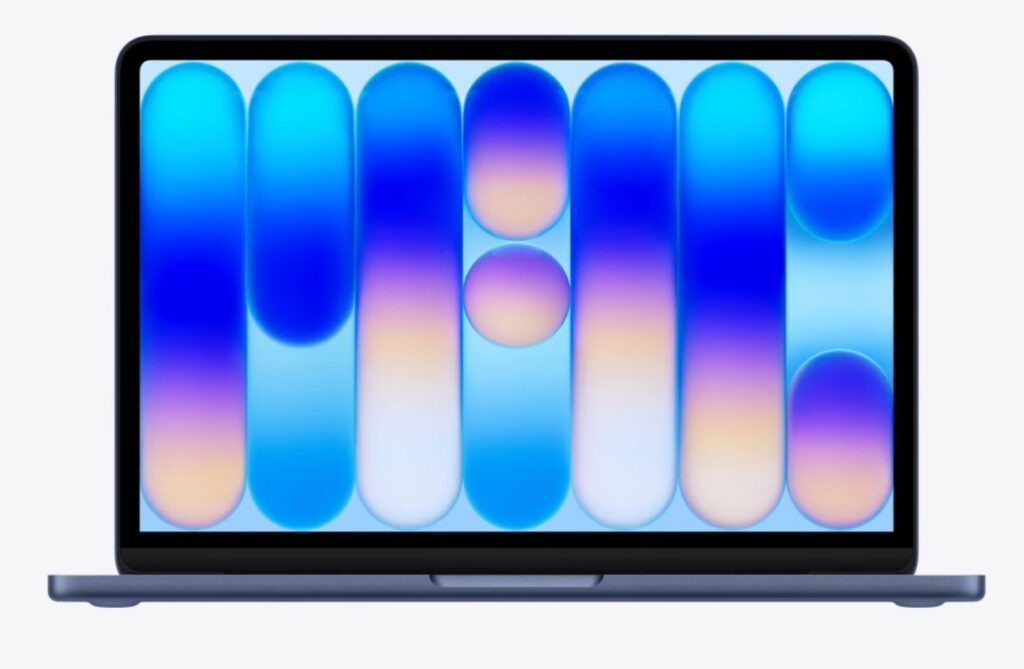
Apple has officially launched the MacBook Neo at a 599 USD starting price, a strategic price point designed to capture budget-sensitive consumers and educational institutions. This 13-inch device is unique as it is powered by the A18 Pro chip, marking the first time iPhone-class silicon has been utilized as the main processor for a Mac. The hardware specifications include a 2408-by-1506 Liquid Retina display with 500 nits of brightness. Furthermore, the Neo boasts a 16-hour battery life and an environmentally focused chassis constructed from 60% recycled materials.
To directly challenge competitors, Apple offered performance comparisons, claiming the Neo is up to 50% faster for daily tasks and up to 3x faster for on-device AI workloads than bestselling PCs running the latest Intel Core Ultra 5. By offering education pricing starting at 499 USD, Apple is positioning this device not just as a cheaper Mac, but as a direct alternative to Chromebooks and low-end Windows notebooks.
Analysis
The introduction of the MacBook Neo is a textbook case of leveraging ecosystem and supply chain dominance. This is a predatory pricing strategy. By repurposing the A-series chips—which are already manufactured at massive scale for the iPhone—Apple achieves a unit cost structure for the Neo that traditional PC vendors, relying on external processor suppliers like Intel or AMD, simply cannot match.
The performance claims regarding AI workloads suggest that Apple is no longer viewing the low-end market as a segment for compromised hardware, but rather as an entry point into its high-value ecosystem.
This move will likely force a consolidation among Windows OEMs who have historically depended on the sub-700 USD price bracket for volume sales. Those manufacturers may now be squeezed, as the MacBook Neo provides a premium brand experience, superior build quality, and vastly better battery efficiency at the same price. The design choice to remove the camera notch and adopt iPad-style bezels further solidifies this device as a hybrid concept, combining the efficiency of mobile design with the utility of a full desktop operating system.
It is a clear signal that the distinction between mobile and desktop hardware, for Apple, is now entirely a matter of software and user interface, not fundamental processing capability.
Enterprise Implications
For enterprises and educational institutions, the MacBook Neo forces a re-evaluation of procurement strategies. Historically, organizations purchased cheap Windows laptops or Chromebooks for “task workers” or students due to tight budget constraints, accepting trade-offs in performance, longevity, and build quality. The MacBook Neo eliminates those trade-offs at the 500-600 USD level. Institutions should audit their existing fleets and consider the total cost of ownership; a device that lasts longer, requires less maintenance, and retains higher residual value may be more economical than a cheaper alternative.
Bottom Line
The MacBook Neo is a disruptive force. By delivering an iPhone-powered laptop at 599 USD, Apple has reset the benchmarks for performance, battery life, and efficiency in the budget tier. This initiative puts immense pressure on the rest of the industry, particularly Windows OEMs, and may drastically alter market share in the education and consumer sectors over the next 24 months. Enterprises should prioritize an evaluation of this offering, particularly for educational deployment and task-oriented administrative roles.
Have a Comment on this?