


Meta Boosts Louisiana Data Center Investment To 50 Billion
By Adam Pease
Meta Boosts Louisiana Data Center Investment To 50 Billion
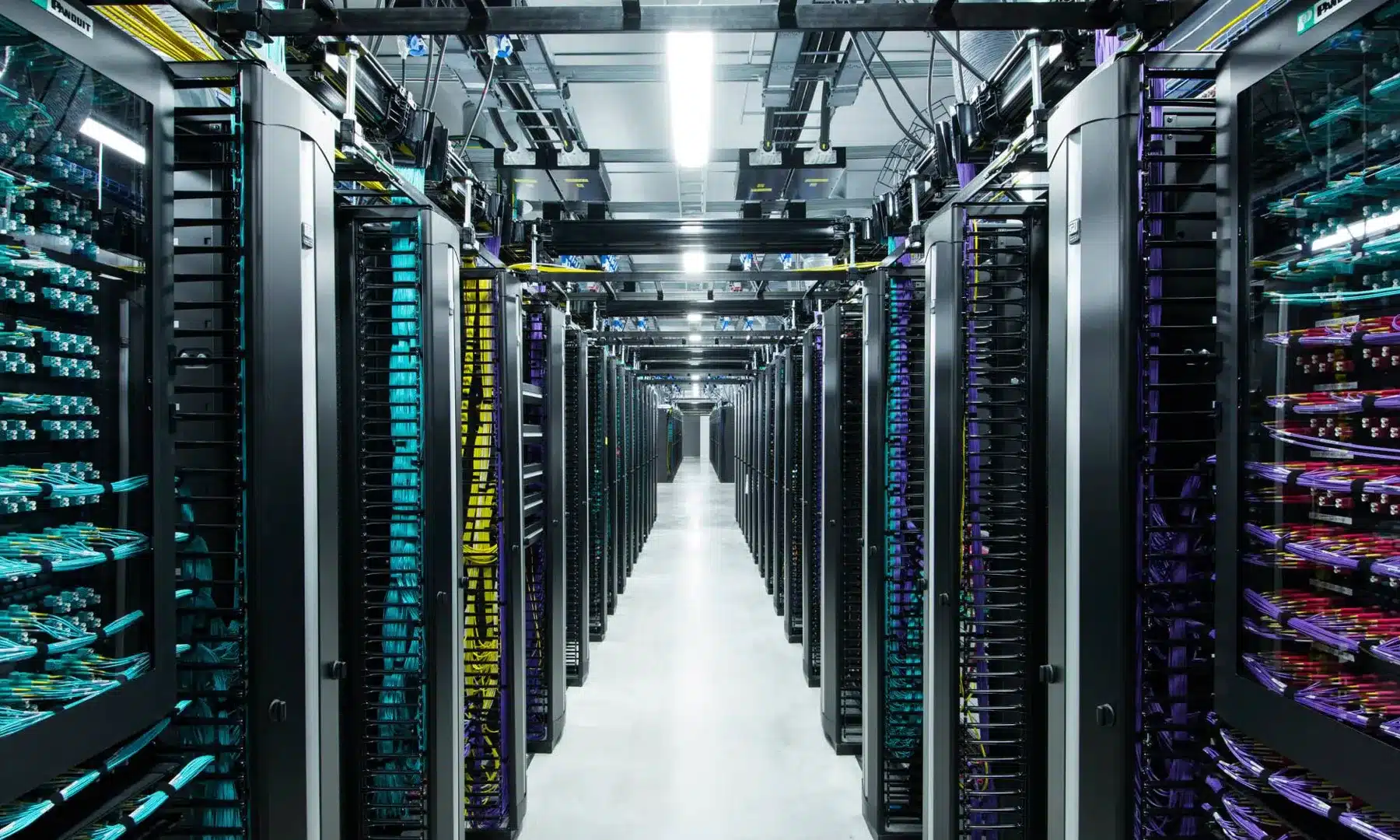
The race for artificial intelligence supremacy is no longer just about algorithms, as physical infrastructure capacity has become the primary battleground for hyperscalers. Meta recently revealed that its Hyperion data center supercluster in Louisiana will expand to a five-gigawatt facility with a total investment exceeding fifty billion dollars. This major escalation highlights how scaling compute power remains the top priority for tech giants. This blog overviews the Meta data center expansion news and offers our analysis.
Why Did Meta Announce The Hyperion Expansion?
The tech giant expanded this project to secure the massive computational footprint required for its next-generation artificial intelligence models. Louisiana provided a favorable regulatory environment, including a twenty-year sales tax exemption, making the location financially optimal. Hyperscalers are currently rushing to lock down regional energy deals and land before infrastructure capacity becomes a bottleneck. This expansion ensures that Meta Superintelligence Labs maintains a continuous pipeline of hardware resources.
Analysis
This massive financial commitment indicates that Meta is leveraging its capital strength to build an insurmountable barrier to entry in the AI market. By controlling five gigawatts of power, the company is effectively reducing the available energy grid capacity for potential regional competitors. This move shifts the competitive dynamics, forcing rival hyperscalers to either replicate these mega-clusters or risk falling behind in raw training capabilities. For the market, it signals that foundational AI development is consolidating into the hands of a few ultra-wealthy firms, accelerating the divide between infrastructure owners and software consumers.
What Enterprises Should Do
Enterprises must evaluate how this infrastructure consolidation will impact their long-term technology stacks and vendor dependencies. Given the immense cost of training foundational models, organizations should pivot away from custom building and focus on consuming or fine-tuning existing platforms. It is critical to monitor cloud provider capacity to ensure your partners can support scaling workloads without facing resource constraints. Businesses need to analyze their current multi-cloud architectures to mitigate risks associated with regional infrastructure monopolies.
Bottom Line
The fifty billion dollar Louisiana expansion proves that AI leadership requires unprecedented physical and financial scale. Meta is setting a baseline that will force the entire technology sector to adjust its infrastructure expectations. Enterprises should avoid trying to match this scale and instead focus on driving efficiency through software and proprietary data. Leverage these massive hyperscaler footprints as utility infrastructure while keeping internal investments focused on unique business applications.
Have a Comment on this?